Practical International Logistics Execution

Stop learning International Logistics as a list of terms.

Start learning how to think through a real shipment.


Incoterms. Bill of Lading. Freight. Customs. Containers. Documentation. You may know what these words mean.


But can you take an actual shipment instruction and work out what needs to happen next?


TradesPreneur is the bridge between classroom theory and real-world execution — a practical operating system for handling international shipments, taught by someone who has spent 18+ years doing the work.

Business Growth

356 Award

Creative Idea

Practical International Logistics Execution

Stop learning International Logistics as a list of terms.

Start learning how to think through a real shipment.

Business Growth

356 Awards

Creative Ideas

Incoterms. Bill of Lading. Freight. Customs. Containers. Documentation. You may know what these words mean.

But can you take an actual shipment instruction and work out what needs to happen next?

TradeLogix is the bridge between classroom theory and real-world execution — a practical operating system for handling international shipments, taught by someone who has spent 17+ years doing the work.

People learn logistics theory. Then a real shipment lands on their desk.

Most logistics education teaches subjects in isolation. Incoterms here. Documentation there. Freight somewhere else. And it leaves a gap nobody talks about:

1. You know the terminology — but hesitate when someone hands you an actual shipment.

2. You know the Incoterms — but struggle to apply them to a commercial decision.

3. You know the names of the documents — but not how the document flow actually works.

4. You've seen freight rates — but don't know how the final logistics cost is constructed.

5. You're not sure who is responsible for what, when, and why.

6. When something goes wrong mid-shipment, you don't know where to start.

7. You understand individual topics — but cannot connect the entire shipment lifecycle.

The problem is not that you don’t know enough logistics.

The problem is that you don’t yet have a system for connecting what you know.

LOGISTICS IS NOT JUST ABOUT MOVING GOODS.

Done right, logistics can become a competitive advantage.

Better planning.

Better decisions.

Better cost control.

Better communication.

Better execution.

Better customer experience.

This is the philosophy behind Trades Preneur.

What will you actually learn?

Practical Logistics Knowledge

Understand how international shipments actually work.

Real Case Studies

Learn from real-world situations, mistakes and solutions.

Cost Control

Identify opportunities to reduce avoidable logistics costs.

Shipment Planning

Understand how to prepare before the shipment starts.

Documentation

Learn how to review export and import documentation systematically.

Vendor & Forwarder Management

Evaluate and work with vendors, CHAs, transporters and freight forwarders.

Shipping & Carrier Knowledge

Understand carriers, shipping options, routing and planning.

AI for Logistics

Use AI tools for communication, research, documentation and productivity.

SOPs & Checklists

Use practical systems instead of relying only on memory and experience.

Process Audits

Identify gaps in your existing logistics process.

Negotiation & Communication

Improve communication with suppliers, customers and logistics partners.

Career & Business Skills

Develop practical skills that can be applied immediately.

The Tradespreneur Advantage System

1

COST

Control avoidable logistics costs to much extent.

2

SPEED

Improve planning and reduce avoidable delays.

3

RISK

Identify problems before they become expensive.

4

CUSTOMER

Understand how logistics affects customer experience.

5

ADVANTAGE

Turn better logistics into a business advantage.

30 days. Real learning. Real application.

Don't just watch lessons.Learn something. Apply it. Review it. Improve it.

The Tradespreneur 30-Day Challenge helps participants apply practical logistics knowledge in areas such as:
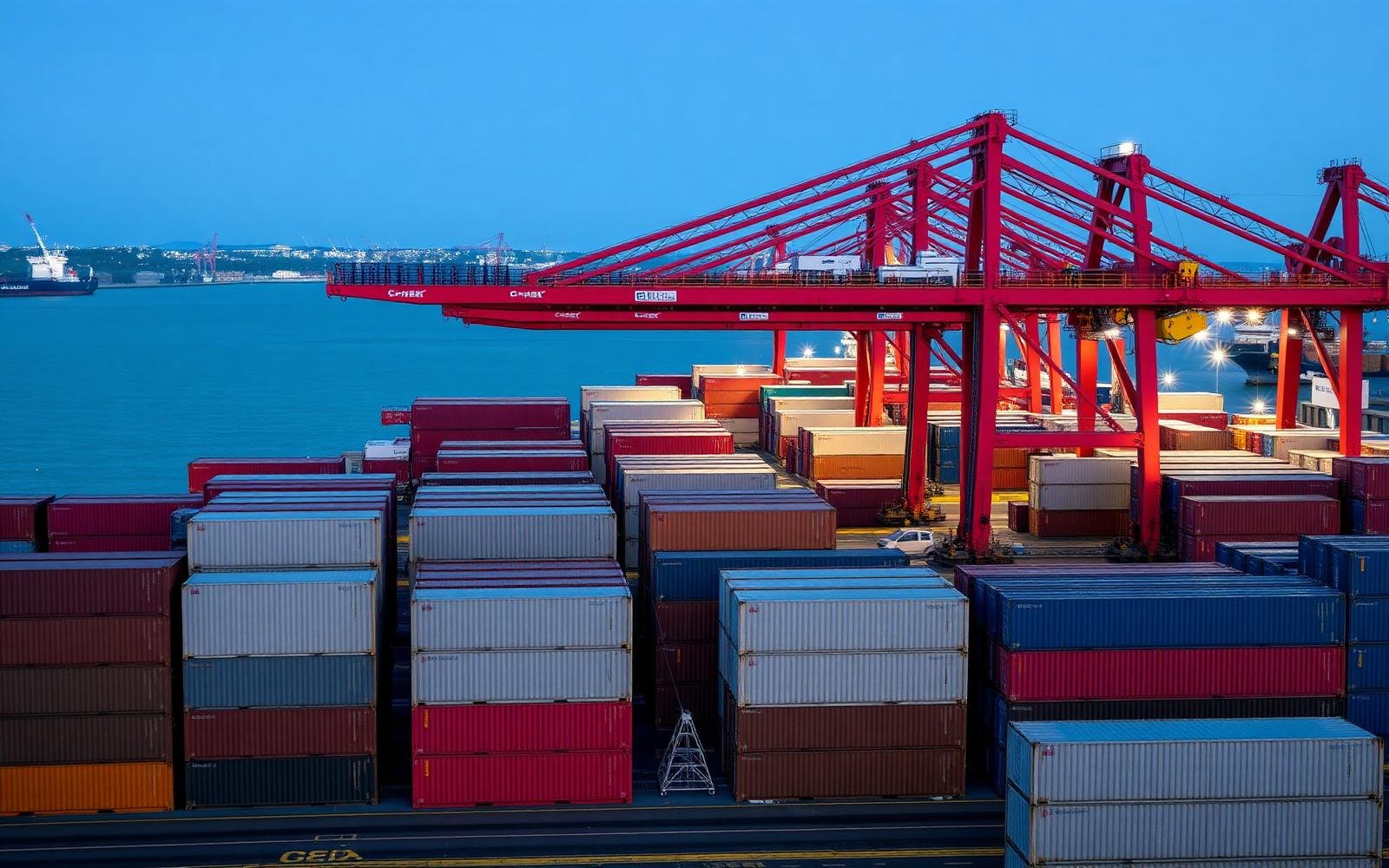
YOU DON'T HAVE TO FIGURE OUT LOGISTICS ALONE.

Join a free WhatsApp community of importers, exporters, logistics professionals and students who discuss real problems and practical solutions every week.
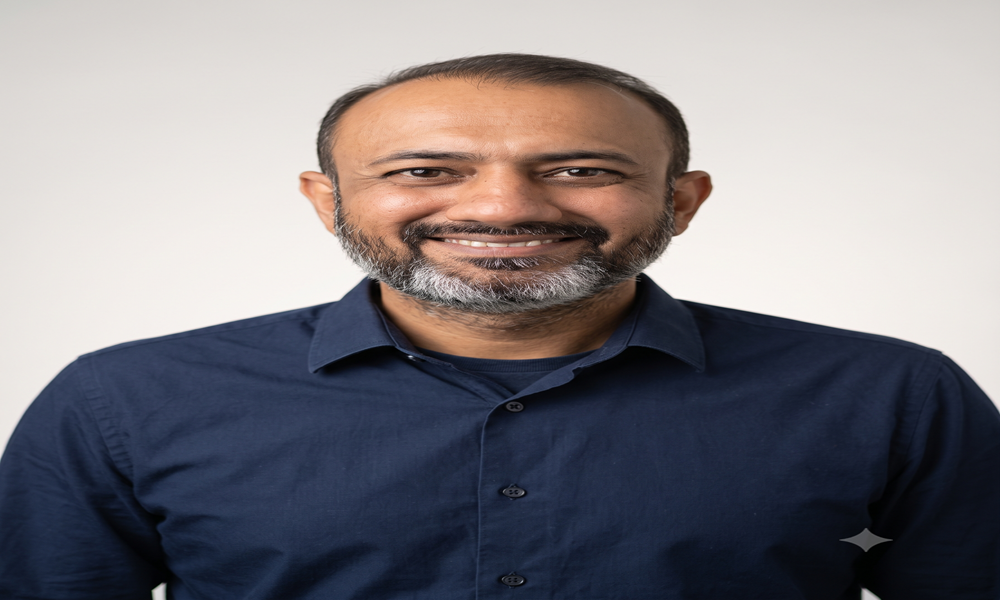
Behind every shipment, there is a promise. Behind every business, there are people.

I'm Amit Karra, founder of Tradespreneur. After more than 18 years in international logistics, what stays with me isn't only how cargo moves. It's how a single decision can affect someone's money, hard work, and trust.

Have you ever worked hard on something, only to watch it go wrong because of one detail you thought someone else had checked? You don't need to have shipped a container to understand that feeling.

I witnessed a shipment during my career that made this lesson impossible to forget. It helped shape why I am building Tradespreneur: to share the practical lessons people too often learn only after an expensive mistake.

Five containers. ₹80 lakh. One unchecked assumption.

Mombasa, Kenya · More than six months of trouble

Five containers were shipped to Mombasa. The customer was waiting for the material, but one critical question had not been properly verified before dispatch: was pre-shipment inspection required for this cargo?

The marketing team had not confirmed the requirement with the customer, and the logistics team had not rechecked it before the containers sailed. On arrival, we discovered that the required inspection had not been completed. Customs held the shipment.

Days became weeks. Weeks became months. More than six months passed before the final outcome, and the material ultimately had to be disposed of. Shipping-line demurrage, detention, and storage charges amounted to approximately ₹80 lakh.

The customer never received the goods. The company's goodwill suffered, and the trust behind the relationship was damaged. This wasn't just an operational problem. It was a promise that could no longer be kept.

Sometimes, the most expensive mistake isn't a complicated technical failure. It's a question nobody asked.

Different situations. A familiar human experience.

A student overlooks an important topic. An entrepreneur commits savings without understanding a risk. An employee assumes another department has finished a task. The stakes differ, but the lesson connects us: we often discover the value of a question only after it is too late to ask it.

I don't want this story to make you afraid of moving forward. I want it to help you move forward better prepared. Knowledge isn't only knowing what to do. It's knowing what to question, what to verify, and when to pause.

“What am I assuming is already taken care of—and have I actually verified it?”
The question I want you to carry into your next shipment, order, or important decision.

From Logistics Theory to Real Shipment Execution.

I teach people how to think through and execute a real international shipment—not simply collect definitions. That means connecting the work to the decisions, risks, and people behind it, wherever you are starting from.

Students

See the real decisions behind the terminology you study—not just the answers in a textbook.

Exporters & importers

Know which destination, inspection, and documentation requirements to verify before your cargo moves.

Entrepreneurs & startups

Look beyond winning an order. Understand the execution risks that can put your capital and customer trust at stake.

Working professionals

Question assumptions, clarify ownership, and speak up before an overlooked detail becomes everyone's problem.

Sustainability is also about what we prevent wasting.

Every business uses money, materials, time, energy, and human effort. Environmental responsibility matters. So does preventing avoidable failures that waste those resources and weaken the relationships a business depends on.

Ask the uncomfortable question. Confirm the requirement. Clarify who is responsible. Speak up when something is uncertain. In logistics, verify applicable inspection and documentation requirements before dispatch. Sometimes, five minutes of patience can save months of trouble.

I cannot promise a world without mistakes. But I can share real-world experience to help you make better-informed decisions—with awareness, not fear; responsibility, not blame.

Learn before the shipment moves. Verify before the risk grows. Build for the long term.

MY PRACTICAL EXPERIENCE SPANS

International shipping | Ports & terminal operations | Freight forwarding | Shipment execution | Documentation & document flow | Logistics problem solving | Dangerous Goods / IMDG / chemical cargo

Start where you are.

1

FREE CONTENT

Practical logistics lessons on YouTube and LinkedIn.

2

FREE RESOURCES

Checklists, guides and practical tools.

3

FREE COMMUNITY

Join the Tradespreneur WhatsApp community.

4

MASTERCLASSES

Focused learning on specific logistics problems.

5

TRADESPRENEUR PROGRAMS

Structured learning and implementation.

6

CORPORATE TRAINING & CONSULTING

Customised support for businesses.

Before your next international shipment...

Get the Tradespreneur International Logistics Checklist and use it to review the key areas that can create unnecessary cost, delay and risk.

What learners say

“Amit Sir explains international logistics with real-world examples. His practical approach helped me understand export documentation, shipping procedures, and how an actual shipment moves from origin to destination.”

Arjun Shah
Arjun Shah

MBA Student

“The sessions connect classroom theory with real shipment operations. Complex topics like freight forwarding, Incoterms, and shipping documents become easier to understand through practical examples.”

Riya Patel
Riya Patel

Commerce Graduate

“I wanted to understand how international trade works in practice. The step-by-step explanations helped me see how documentation, customs, freight, and shipment coordination fit together."

Priya Mehta
Priya Mehta

Logistics Learner

Frequently Asked Question

Who is this program for?

Logistics students, fresh graduates, import-export and freight forwarding professionals, early-career logistics professionals, and anyone moving into International Logistics who understands the theory but lacks execution confidence.

No prior work experience is required. The program starts from the shipment lifecycle and builds up. What you need is the willingness to work through practical cases, not just watch lessons.

The Job-Ready Accelerator is built around live sessions with Q&A, plus practical assignments. Session schedules are announced inside the community and during the masterclass.

Plan for the live session plus a few hours of assignments and case work each week. The program is practical — the value comes from doing the work, not just attending.

Yes, participants who complete the program receive a certificate of completion. But the real goal is capability: being able to think through and execute a real shipment.

Yes. Week 6 includes interview and job-readiness guidance, and the case-based learning throughout the program gives you practical answers instead of memorised definitions.

No. No honest program can. We provide structured practical knowledge, frameworks, documentation practice and interview preparation — applying them is up to you.

Yes. Week 5 covers customs, compliance and DG / IMDG / chemical logistics fundamentals, and Amit has practical exposure to dangerous goods and chemical cargo.

Yes. Reach out through the contact details in the footer with your team size and focus areas, and a customised training outline will be prepared for you.

Yes. Workshops for colleges and universities are available. Get in touch via phone, WhatsApp or LinkedIn to discuss format and scheduling.